GREEN CITY WASTE SOLUTION
Tunza mazingira, ni Afya
About Us
Founded with a vision for a cleaner planet, Green city waste solution started because we saw a critical need for smarter waste management systems. We believe that trash isn't just something to throw away
it is an opportunity to recycle, reuse, and conserve resources. Every day, our dedicated team works hard to reduce carbon footprints and help businesses and families meet their sustainability goals.
- Waste Collection: Urban residential and commercial refuse collection.
- Logistics & Materials: Supply of cleaning materials and waste truck hiring.
- Cleaning Operations: Street cleaning, road sweeping, and general environmental sanitation.
At Green city waste solution,we provide dependable, eco-friendly waste management solutions that protect our environment and support our communities. We handle everything from efficient doorstep collection and safe transport to advanced recycling processes. Our goal is to transform daily waste into valuable resources, keeping local neighborhoods clean and minimizing landfill impact.
Ward experienced
Projects
Our supports
Workers
Services
Our services
Waste Management
Waste management involves collecting, sorting, treating, recycling, and when properly facilitated providing a source of energy and resources. Therefore, it has a huge economic potential that needs to be leveraged by public and private entities. A waste management deals with the collection of regular waste, transporting and sometimes processing it.
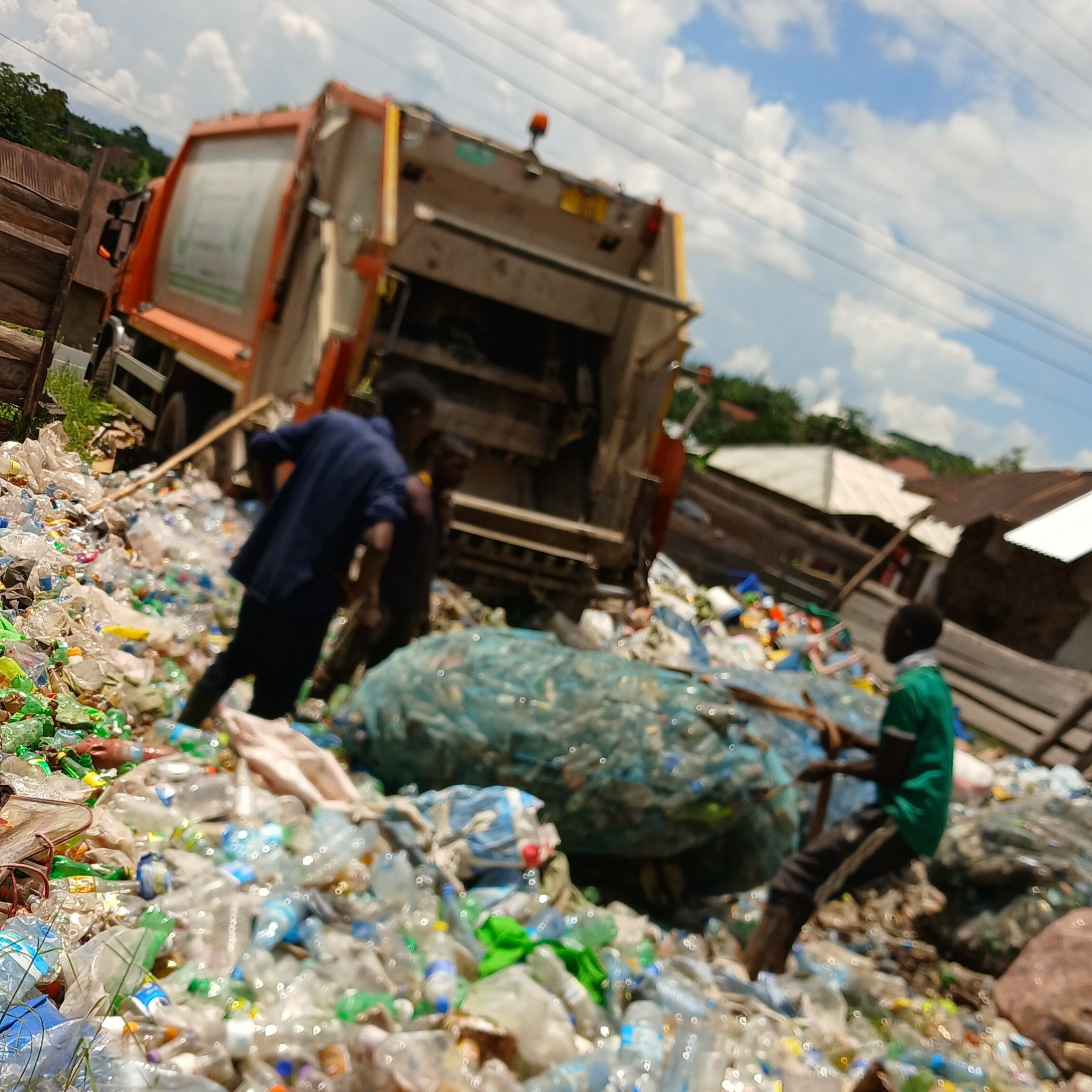
Suistainable & Fee Management
The main advantage of sustainable waste management is to lessen the impact on the environment, by improving air and water quality and contributing to the reduction of greenhouse gas emissions. Besides, reducing food waste also helps reduce the heavy environmental cost of producing more.
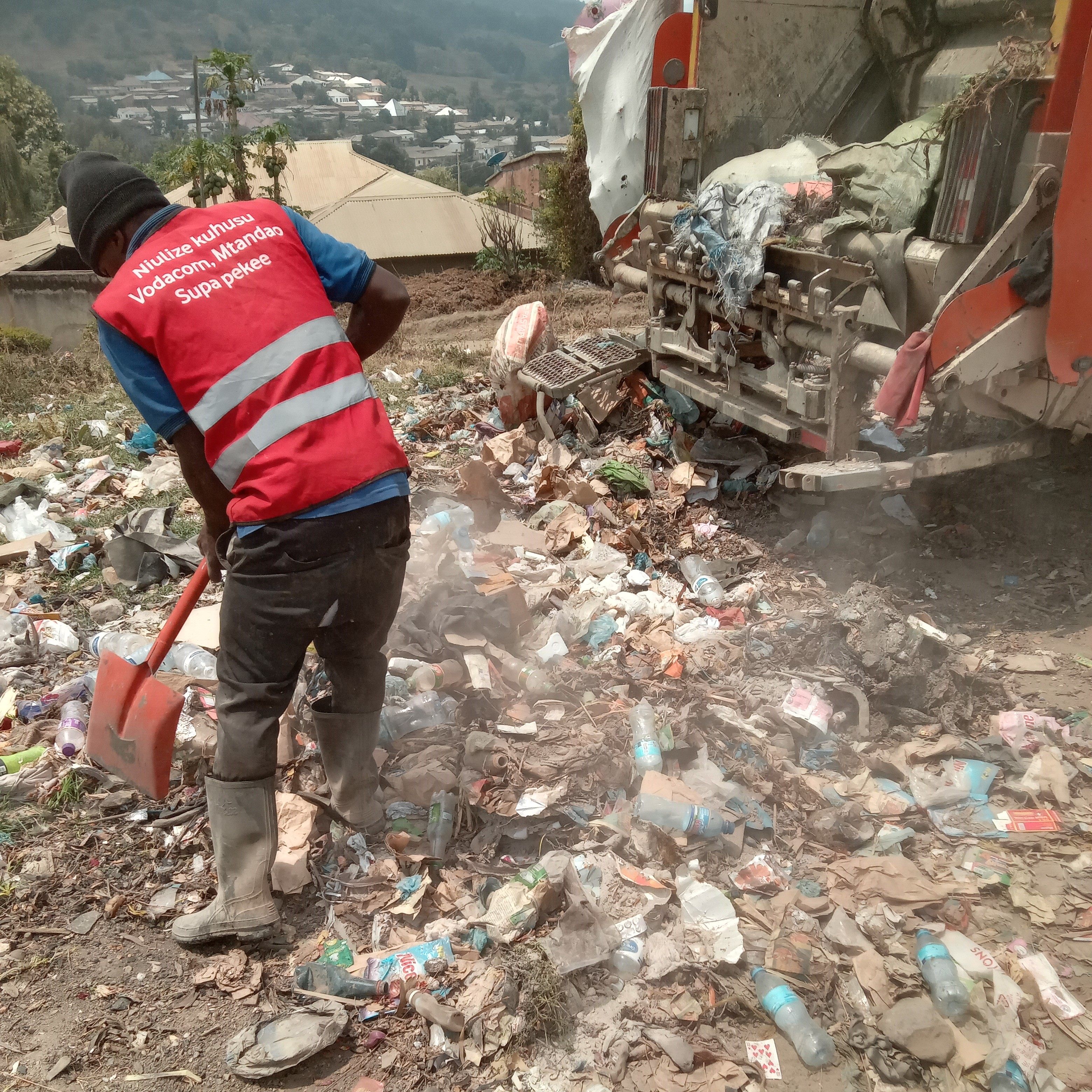
Environment safeguard
The Recycler provides a range of services for commercial and industrial clients. On-site sorting and collection of recyclables Waste and recyclable reporting Near Zero Waste to landfill Removal & proper disposal of general waste Safe hazardous waste destruction

Reduces greenhouse gases that cause climate change
Recycling matters because it conserves natural resources, saves energy, and reduces landfill waste. According to the US EPA, recycling aluminum saves 95% of the energy needed for new metal, while recycling paper saves trees and thousands of gallons of water
-
Lowers emissions: Reduces greenhouse gases that cause climate change. - Recycling metals means there's less need for risky, expensive and damaging mining and extraction of new metal ores..
- Recycling plastic means creating less new plastic, which is definitely a good thing, especially as it's usually made from fossil fuel hydrocarbons.
Recycling reduces the need to grow, harvest or extract new raw materials from the Earth. That in turn lessens the harmful disruption and damage being done to the natural world: fewer forests cut down, rivers diverted, wild animals harmed or displaced, and less pollution of water, soil and air.
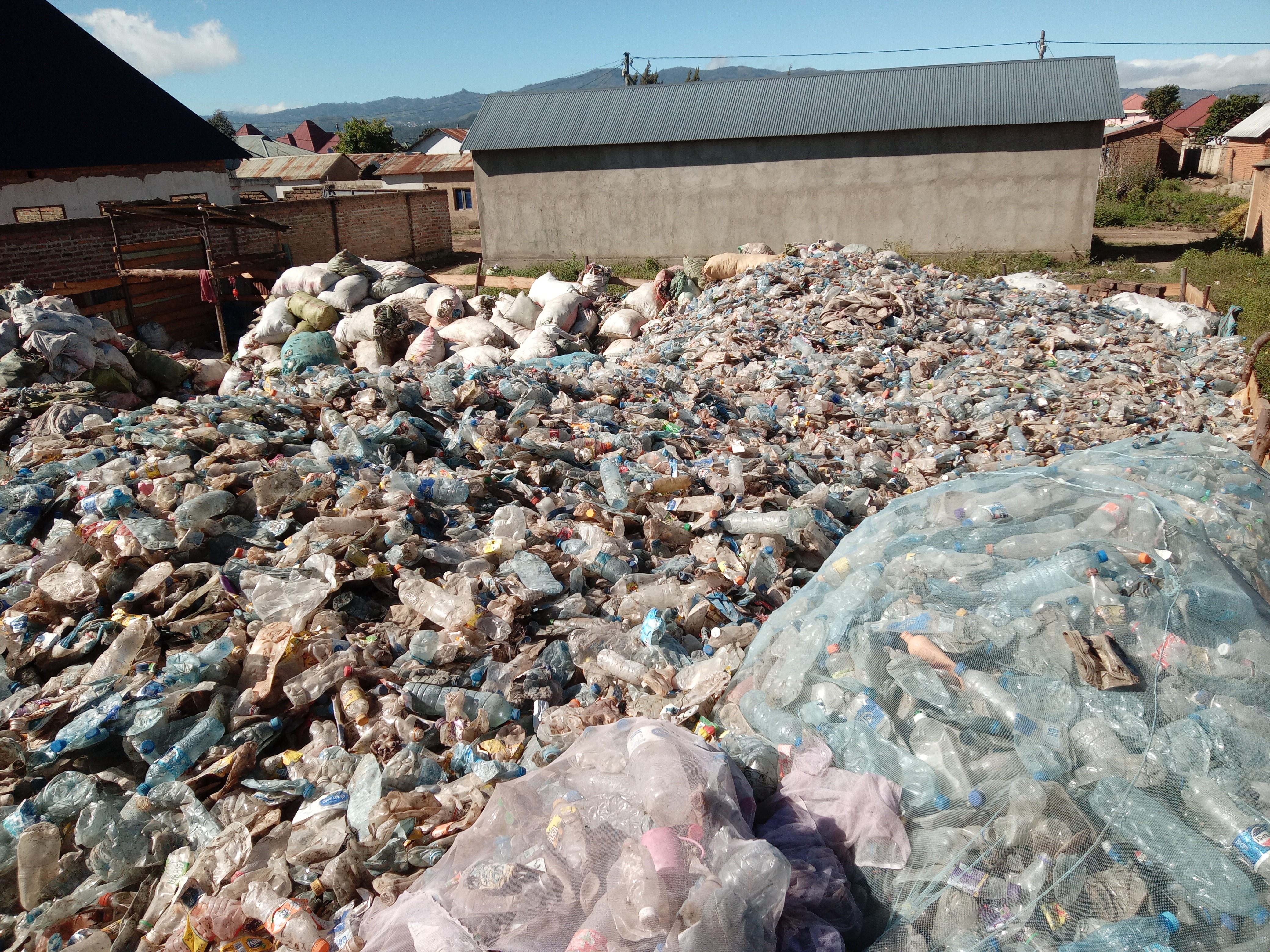
Waste pollution causes severe environmental and health damage and likely
Water Contamination: Toxic liquids (leachate) from unmanaged trash seep into groundwater and flow into rivers and oceans, destroying aquatic habitats and food chains with microplastics.
Chemical pollutants from electronic waste and plastics leak into the soil, reducing plant growth and agricultural productivity.
- Climate Change: Open dumpsites and poorly managed landfills release massive amounts of methane and carbon dioxide directly into the atmosphere.
- Food Chain Poisoning: Humans ingest heavy metals and microplastics when consuming fish, crops, or livestock exposed to polluted local environments.
- Disease Spread: Accumulated uncollected waste serves as a breeding ground for disease vectors like mosquitoes and rodents, raising risks of waterborne and infectious illnesses.
- Toxic Emissions: Open burning of waste releases hazardous fumes (such as dioxins and heavy metals) that cause severe respiratory and developmental issues..
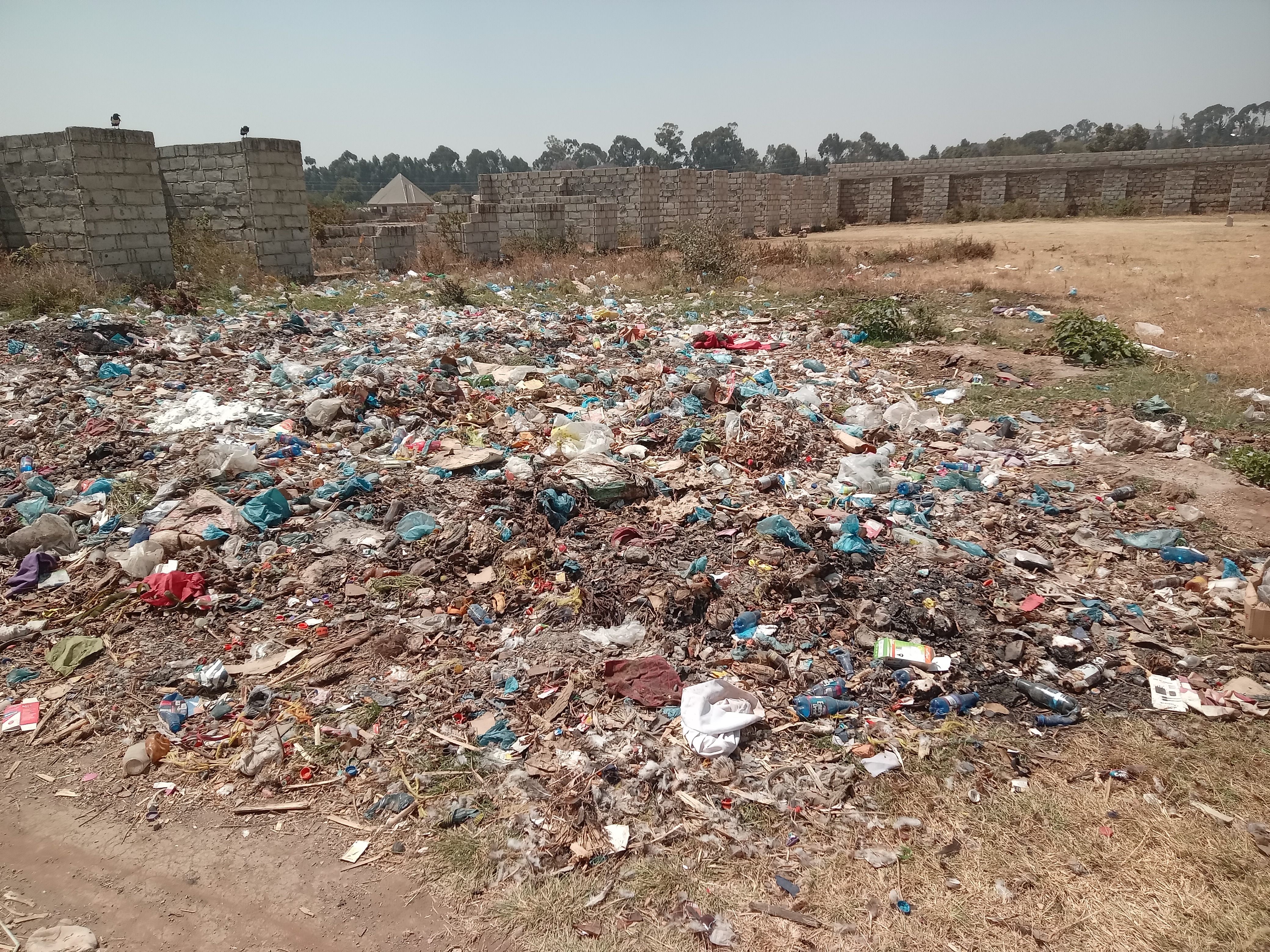
building awareness, changing human behavior, and teaching practical green skills.
building awareness, changing human behavior, and teaching practical green skills. It turns everyday people into active caretakers of the earth. You can learn more core principles through the US EPA guidelines.
- Changing Habits: Teaching shifts daily routines, leading to less waste, lower resource use, and better recycling.
- Building Awareness: People learn how air, water, and human actions connect, helping them see local and global threats clearly.
- Inspiring Action: Hands-on projects like tree planting or cleanups give communities the power to heal local ecosystems.
An informed public backs green laws and rules that safeguard natural spaces.
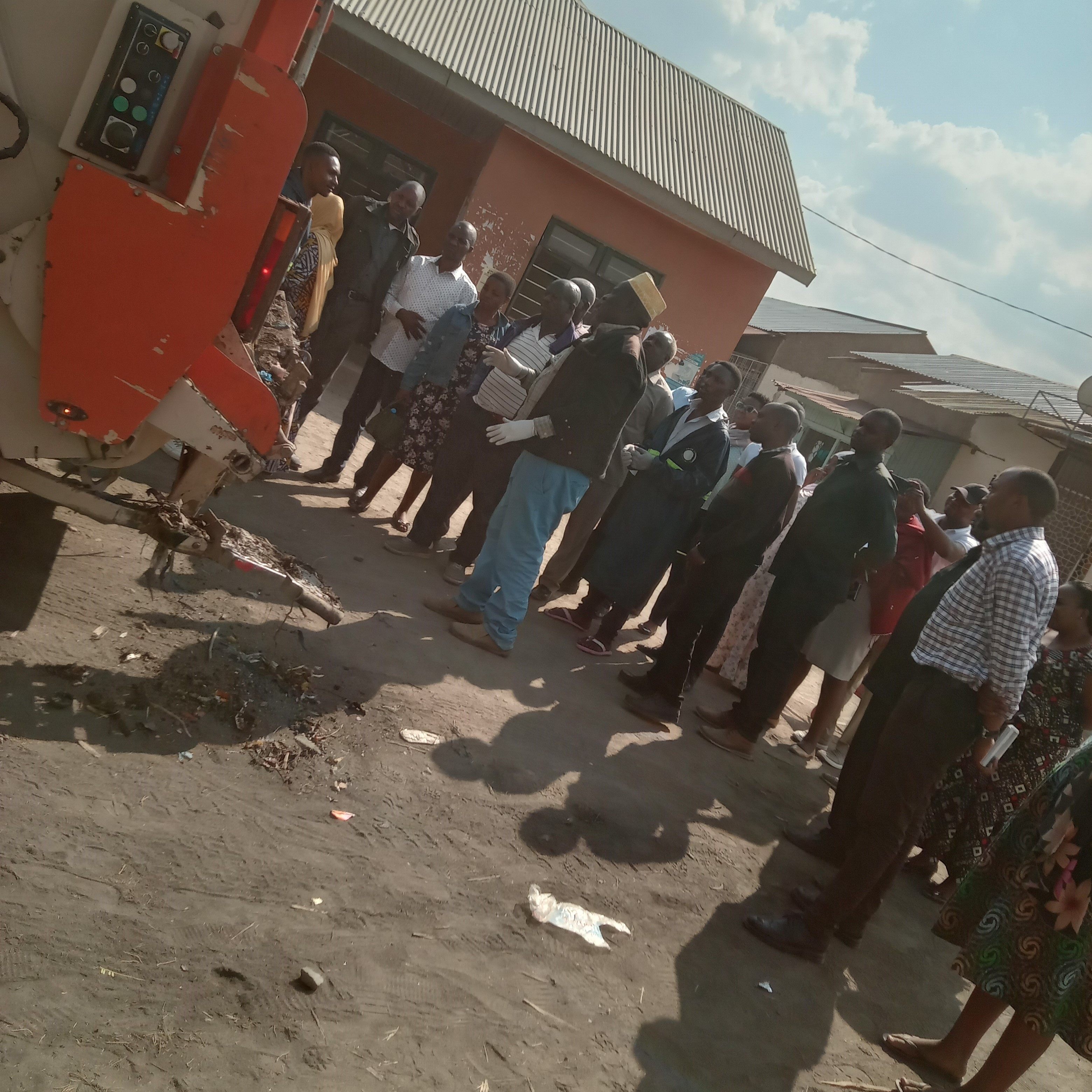
Governed by the Environmental Management Act of 2004 and the Environmental (Solid Waste Management) Regulations of 2009
Waste protocols in Tanzania are governed by the Environmental Management Act of 2004 and the Environmental (Solid Waste Management) Regulations of 2009, emphasizing source minimization, mandatory waste segregation, and designated local government collection. Oversight involves the National Environment Management Council (NEMC) and municipal authorities
National Strategy: The Vice President's Office (Division of Environment) sets overarching rules, while regional bodies manage local implementation and permits.
- Source Reduction: Households and institutions must minimize waste generation and separate materials at the point of origin.
- Storage and Transport: Waste must use approved containers and be moved only by licensed transporters using compliant vehicles.
- Disposal Sites: Official disposal facilities—such as the Nsalaga dumpsite in Mbeya require authorized operational permits and environmental buffers
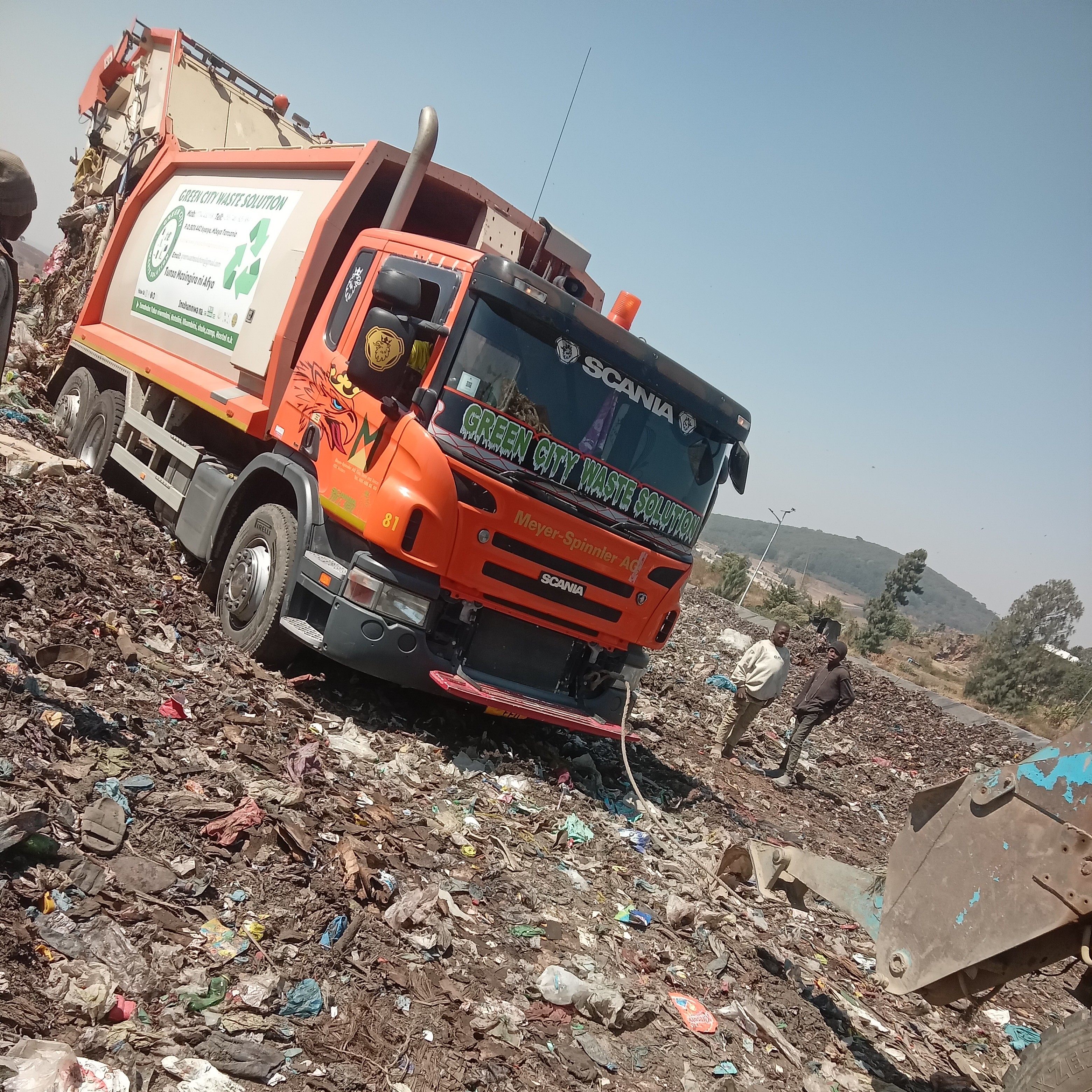
Motivation
ENVIRONMENT MOTIVATION
Social influence
Social media campaigns and influencer endorsements further strengthen these norms. When people see their favorite brands or public figures supporting recycling, they are more likely to follow suit.
Peer pressure
People are more likely to recycle when they see others doing it. Social norms play a key role in shaping behaviors. If recycling is perceived as a community expectation, individuals feel more inclined to participate. Public recycling stations, clear signage, and community-led recycling initiatives help reinforce the idea that recycling is the “normal” and responsible thing to do.
What we found
The use of single-use produce bags declined this year (35 per cent, down 5 per cent), while there was an increase in those using a reuseable shopping bag (40 per cent, up 6 per cent) and using a reuseable produce bag (39 per cent, up 7per cent).
Why recycle ?
The benefits of recycling go beyond the environment. Recycling can positively impact your bottom line, reducing waste disposal costs and decreasing energy and material use through sourcing reprocessed products. Additionally, recycling can have further positive effects on the company, such as improving customer relations, reducing potential liability issues, and supporting surrounding local communities.
Background
In today’s society, people are increasingly aware of the importance of environmental conservation. Consumption and disposal behaviors have changed; now, more than ever, many people are taking steps to reduce waste and live more sustainably. This is also partly due to recycling and waste management legislation, which is commonplace in most areas.
Climate change
Environmental pollution, and the depletion of natural resources are just a few reasons why today’s companies prioritize environmental protection. Indeed, recycling is an eco-friendly way to reduce waste and pollution and save money.

Amina mwakifuna
Resident of echa-mwakibete
"We switched to their waste management services last year and have seen a massive improvement. Their collection team is always on time, highly professional, and keeps our commercial premises spotless. They are completely reliable."

Sara Wilsson
Business person
"Partnering with this team transformed our corporate sustainability metrics. They helped us implement a strict recycling and composting system that cut our landfill waste by 60%. They are the perfect green partner."

Abeli mligo
Resident of Ndanyera
"Their customer service is outstanding. Whenever we have extra bulk waste or need an emergency pickup, they respond immediately and find a solution. It feels like a true partnership, not just a service."

Sifael lilongo
Influencer
"Not only did they streamline our entire disposal process, but they also saved us money. Their transparent pricing and efficient scheduling gave us better service at a lower cost than our previous provider."

Simfukwe aman
Resident of shewa
"Managing hazardous industrial waste used to be a compliance headache for us. This company handles everything perfectly, provides clear documentation, and keeps our site safe and clean. We highly recommend them."
Gallery
OUR GALLERY
- All
- Nzovwe
- Igawilo
- Mwakibete
- Iganjo
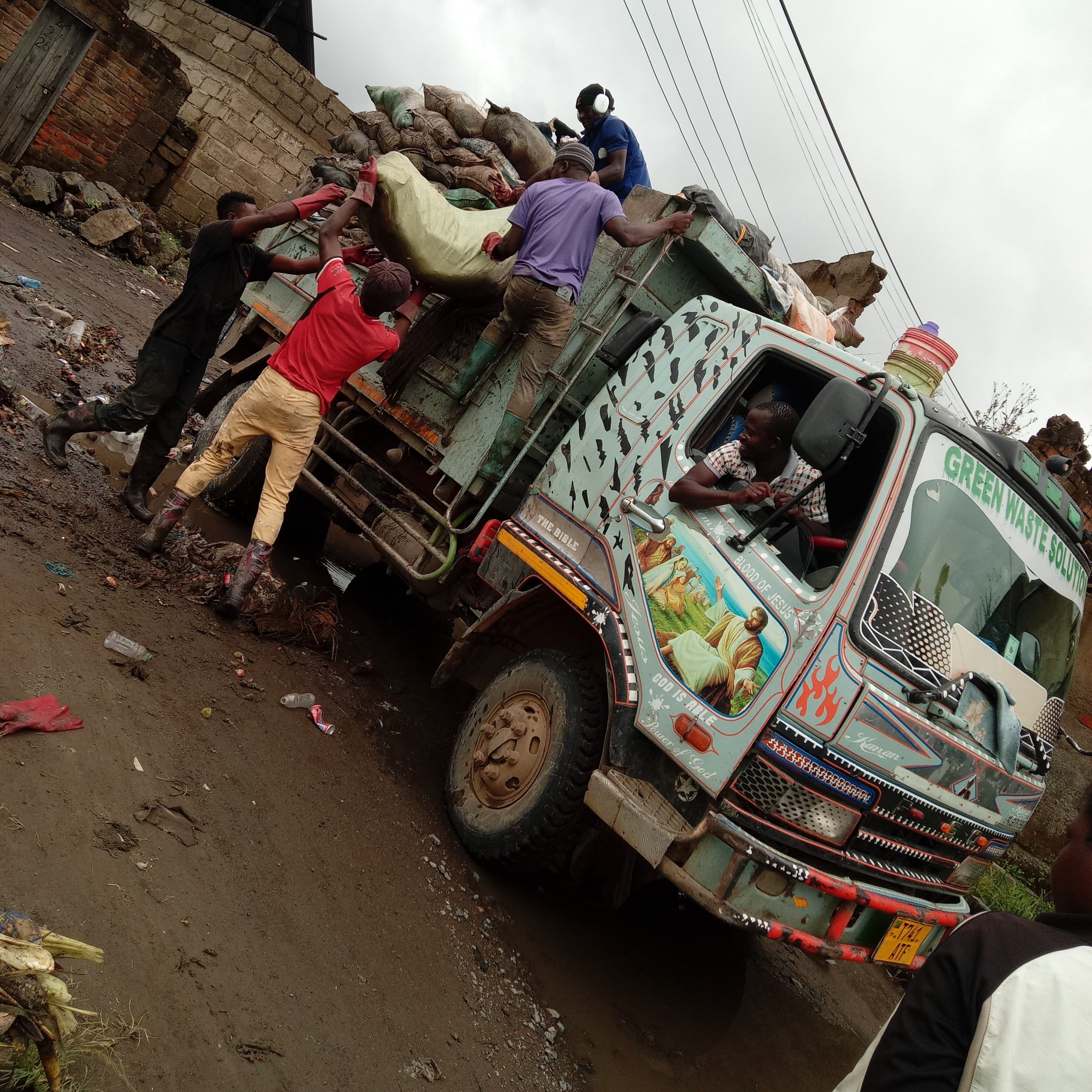
Itezi
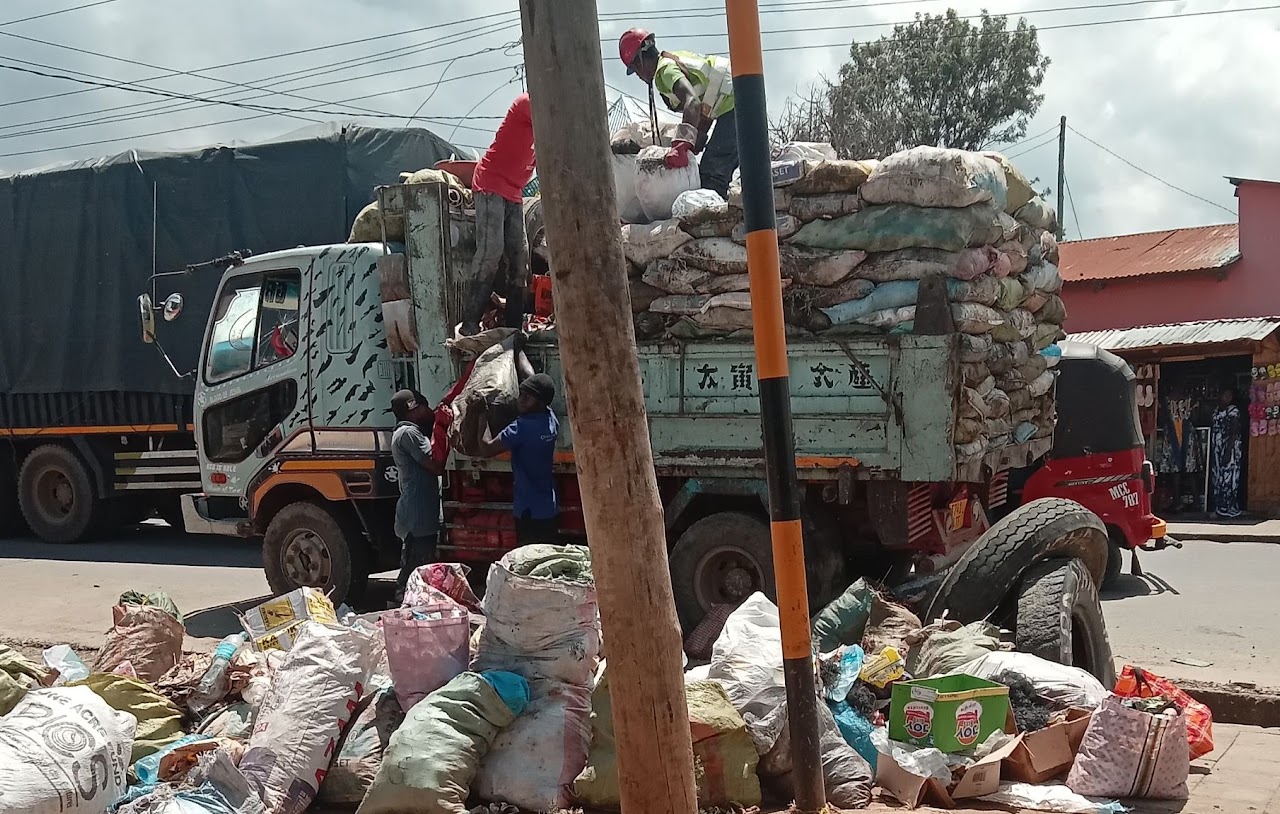
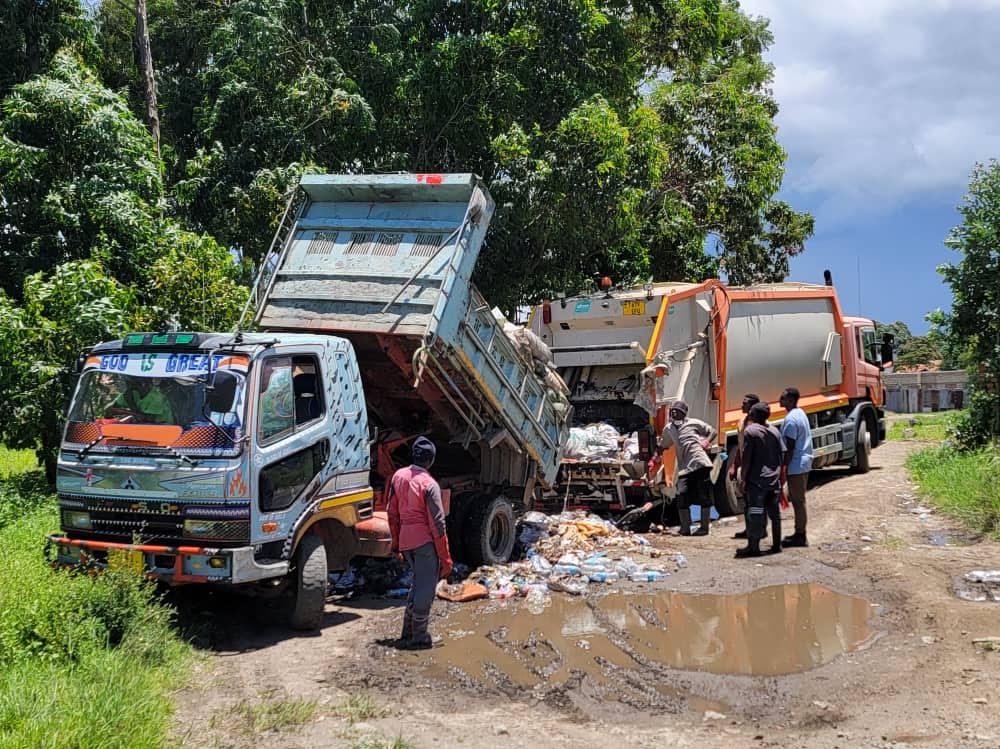
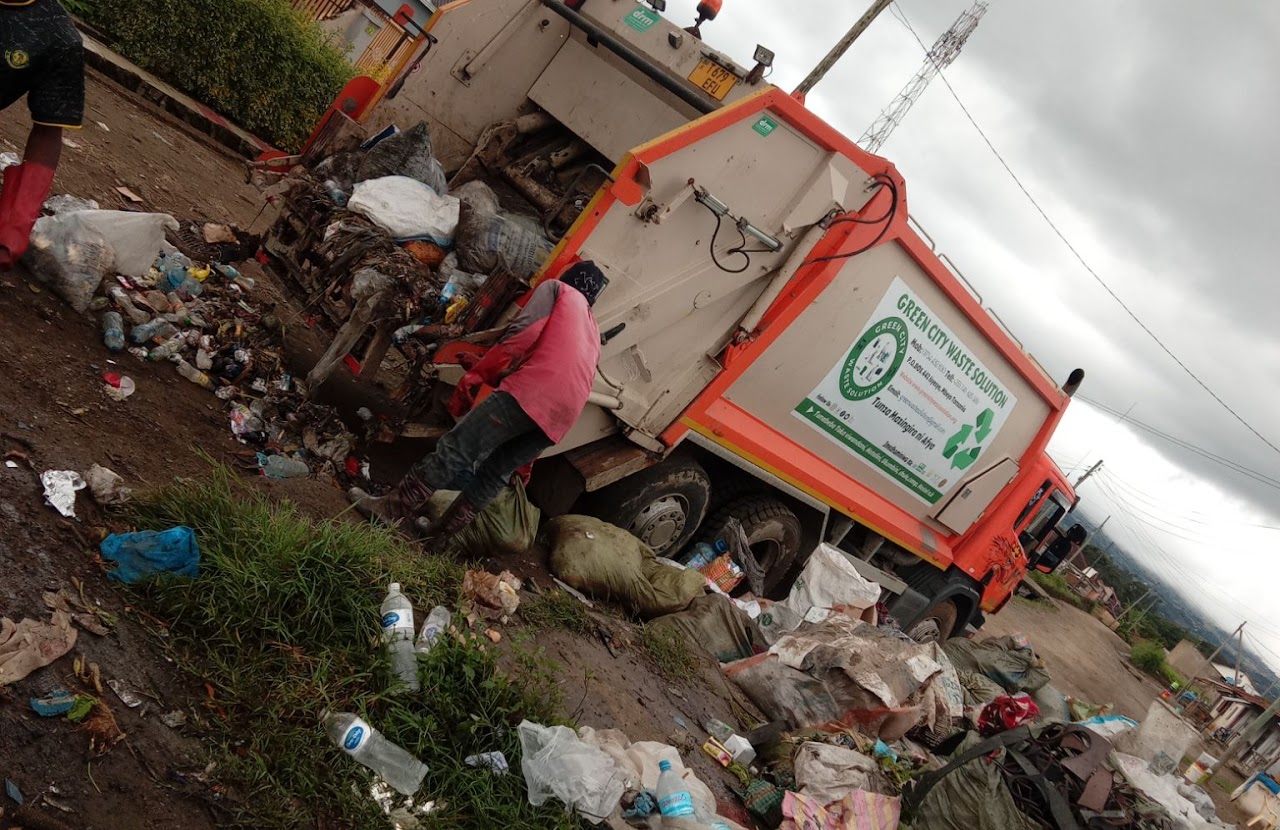
Loading waste onto the garbage truck
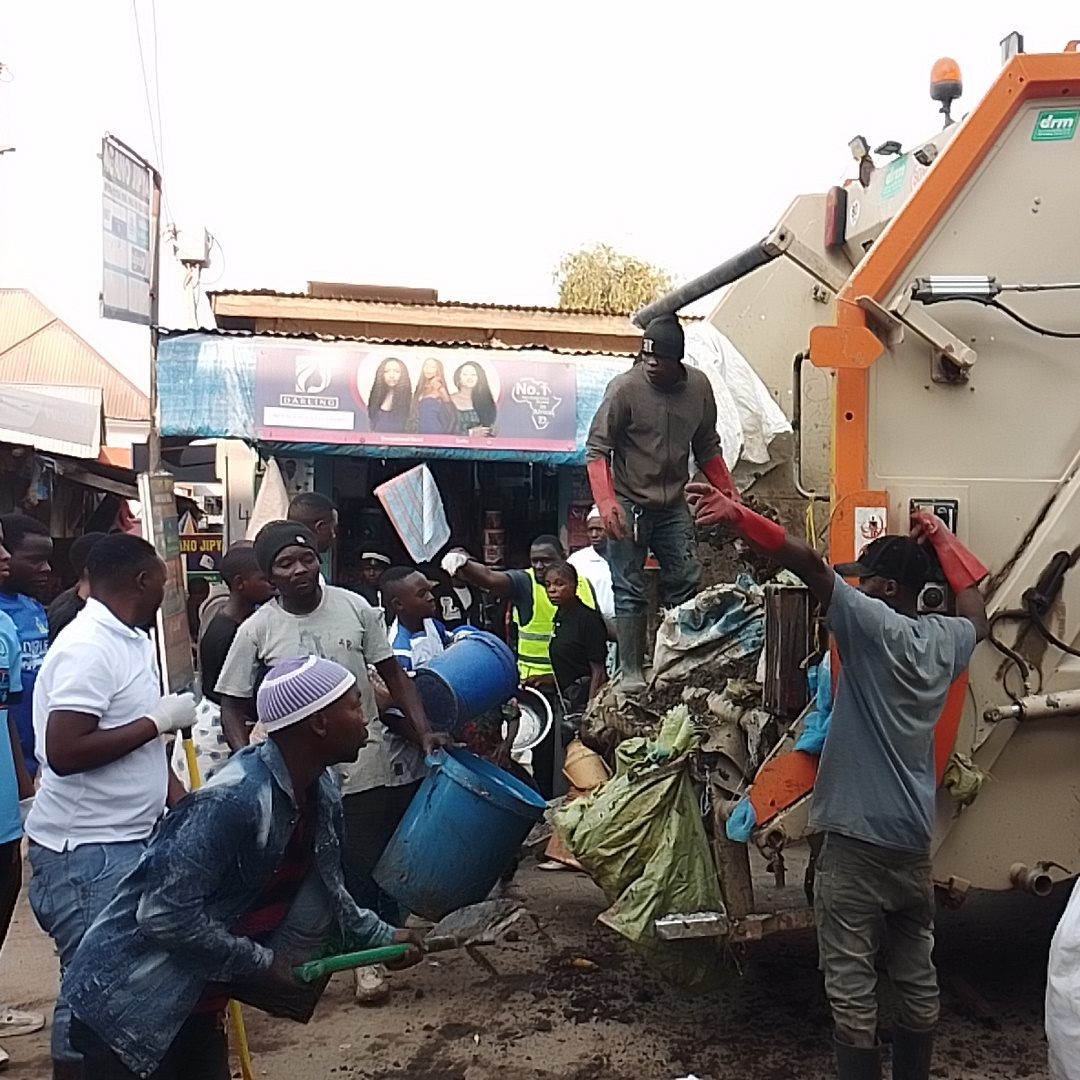
Sokoni-igawilo
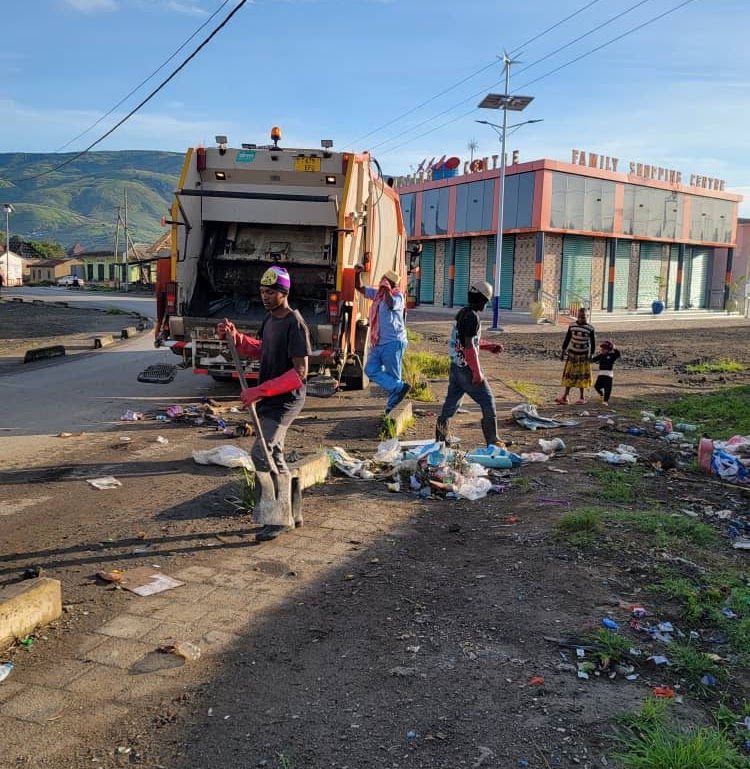
collecting waste in compactor after general cleaning in street vendors
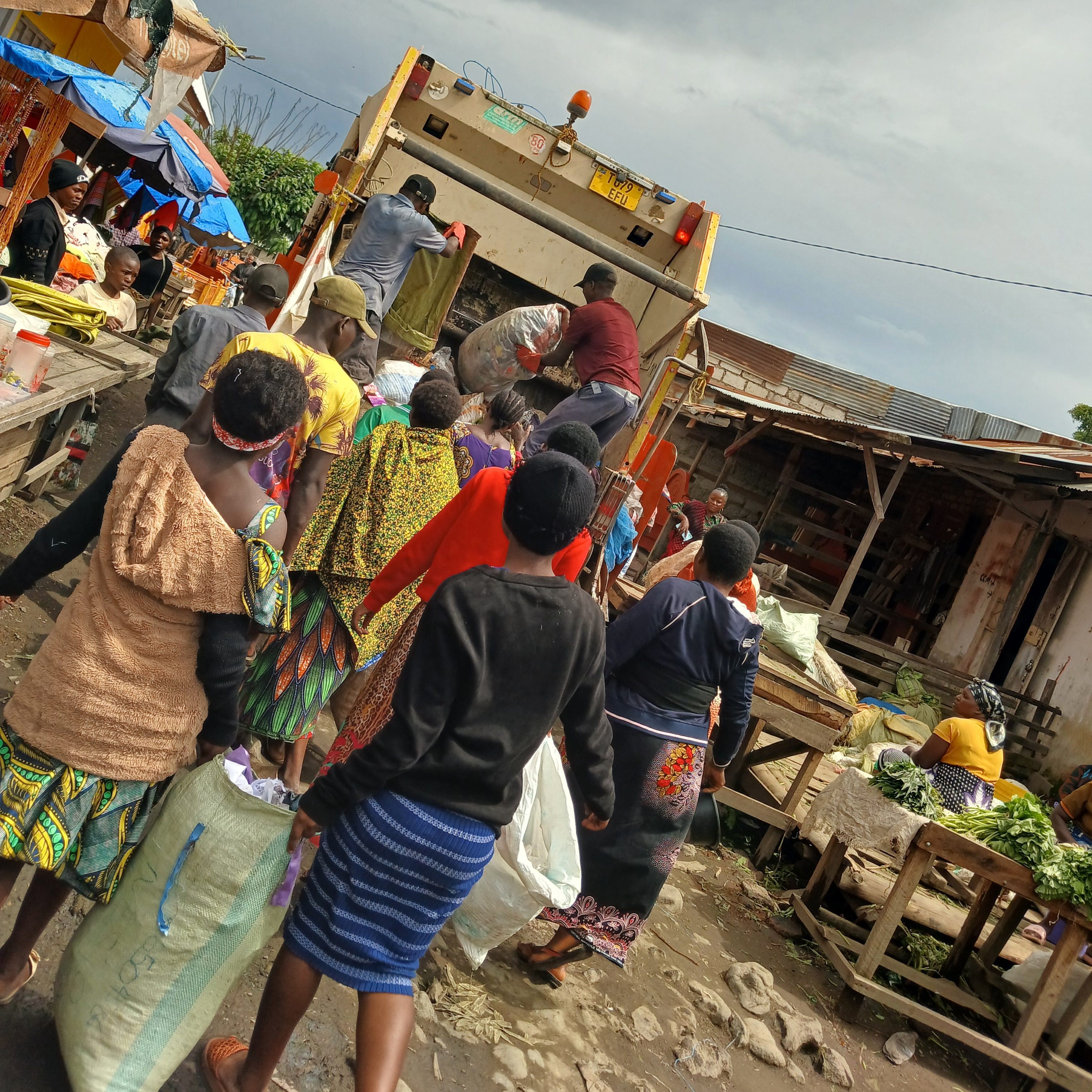
Kingani-Igawilo
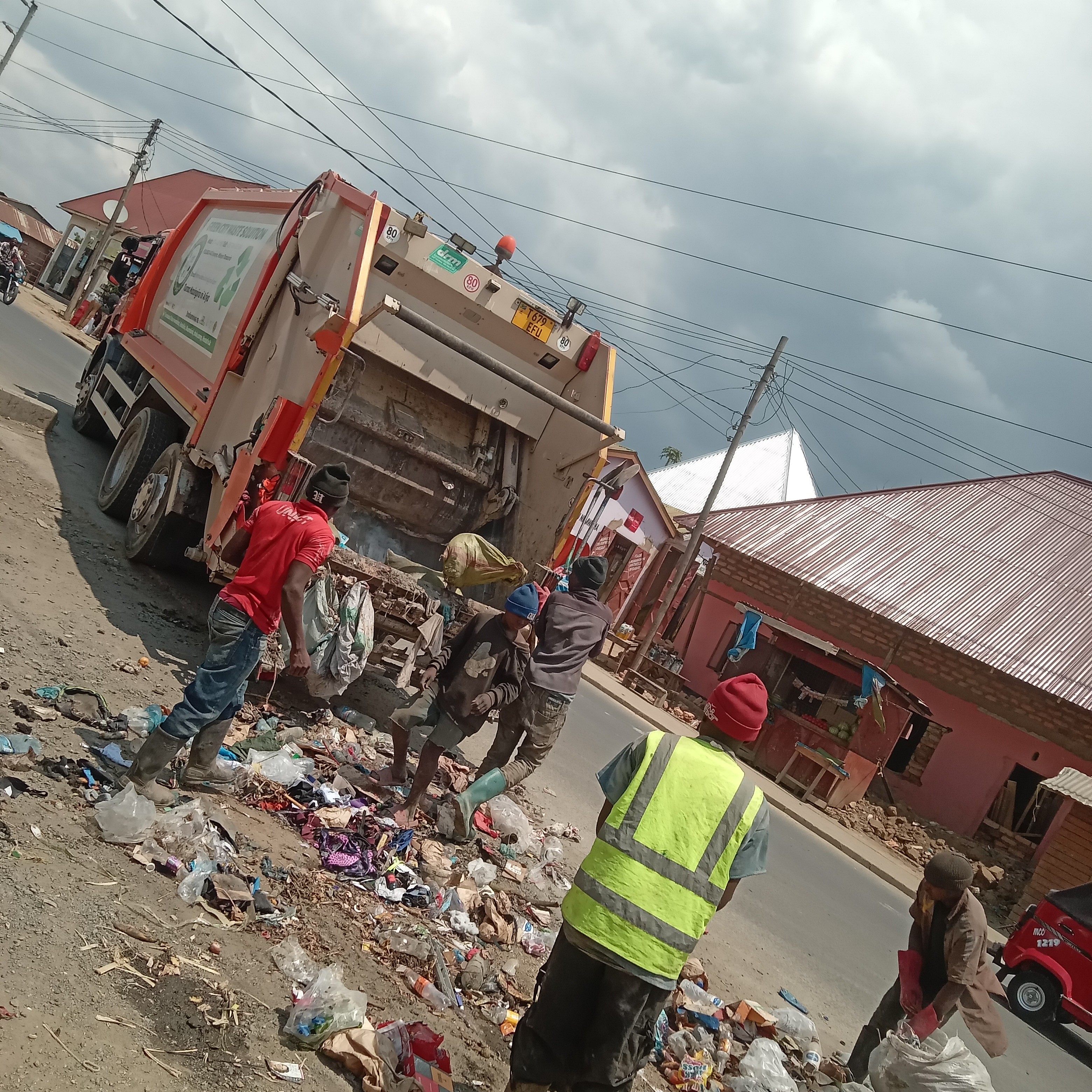
Waste collection in kingani road in igawilo market
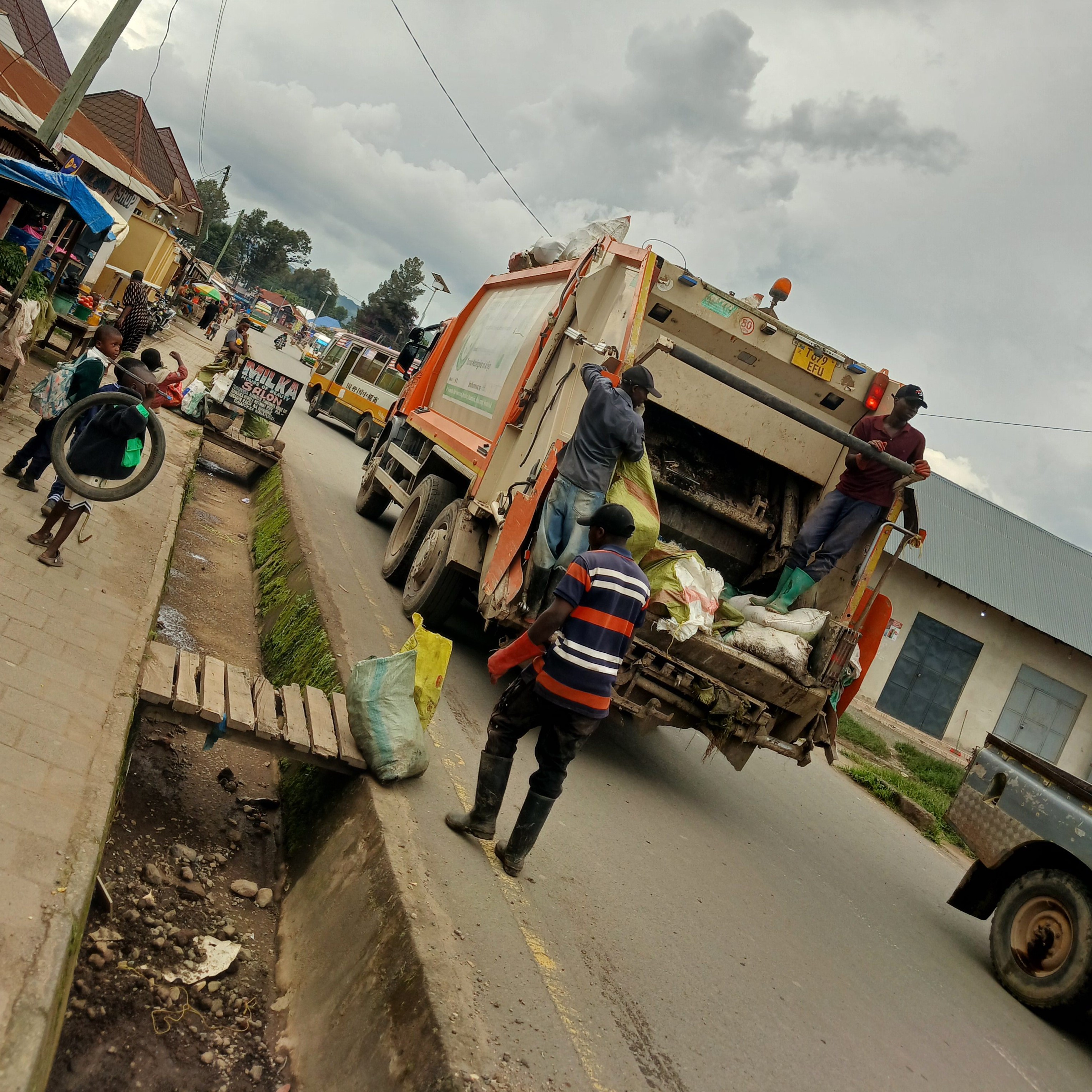
Iganjo
Waste collection in ihanga market in iganjo
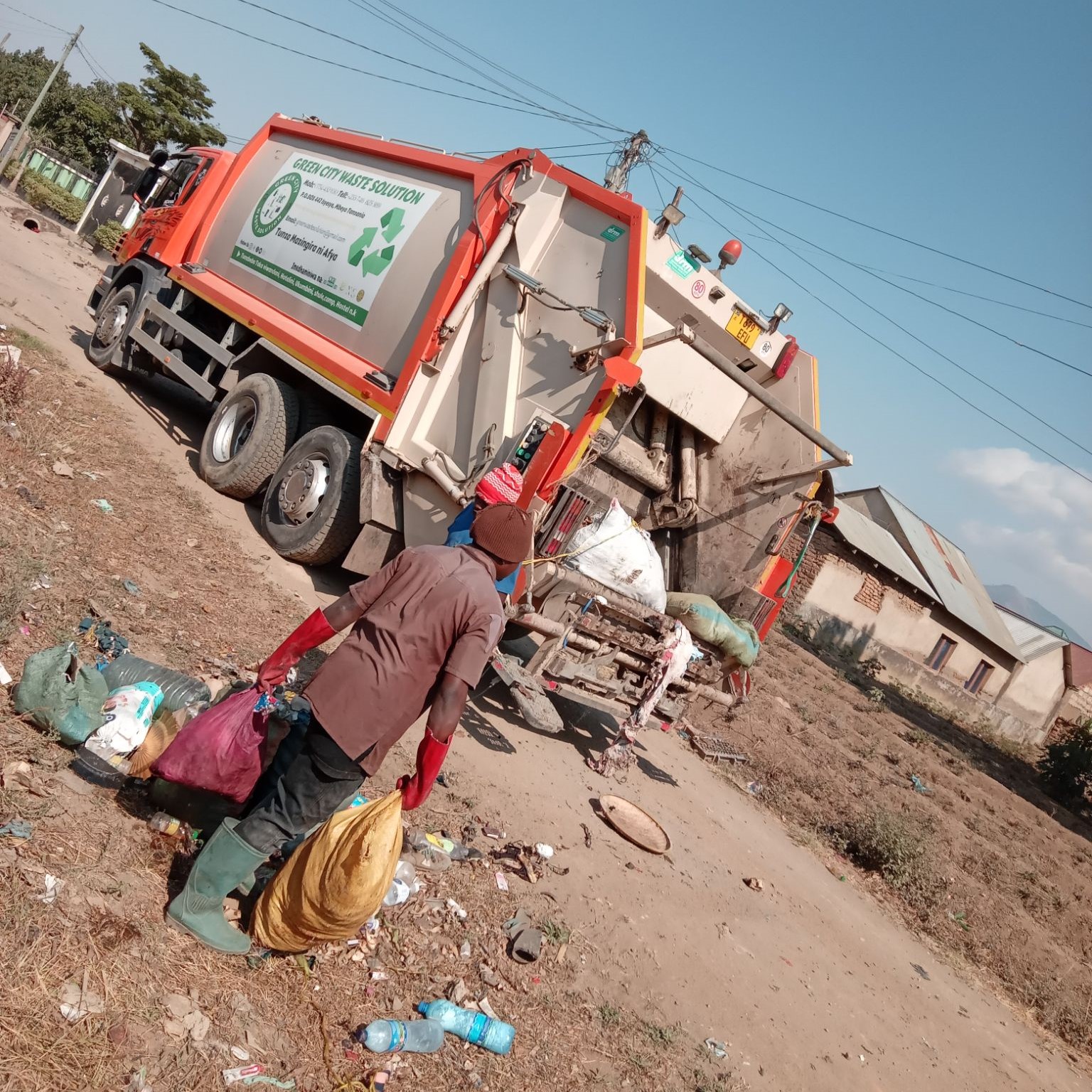
Itongo-Mwakibete
Waste collection around itongo street
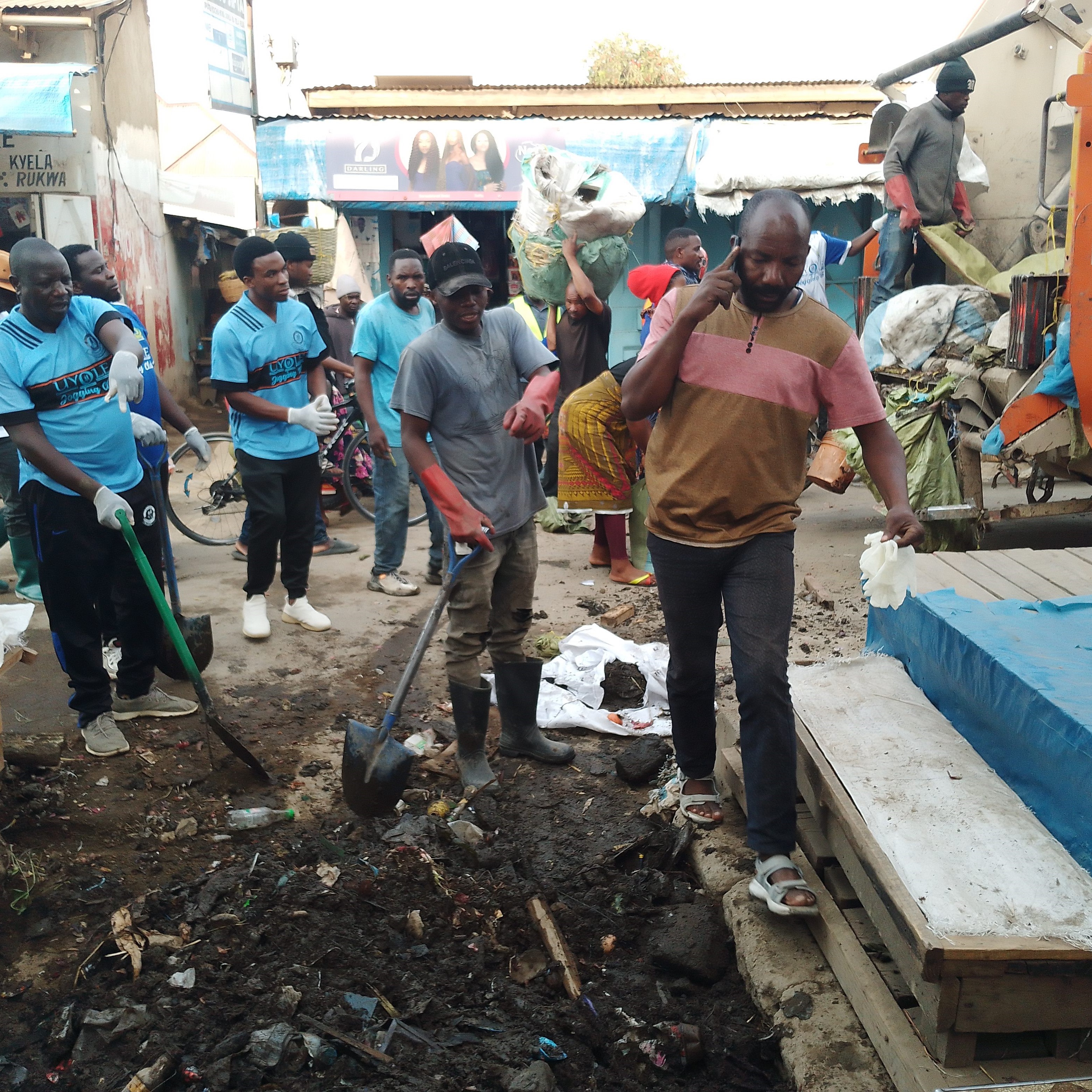
sokoni-Igawilo
Street cleaning with mobilization team of uyole jogging club
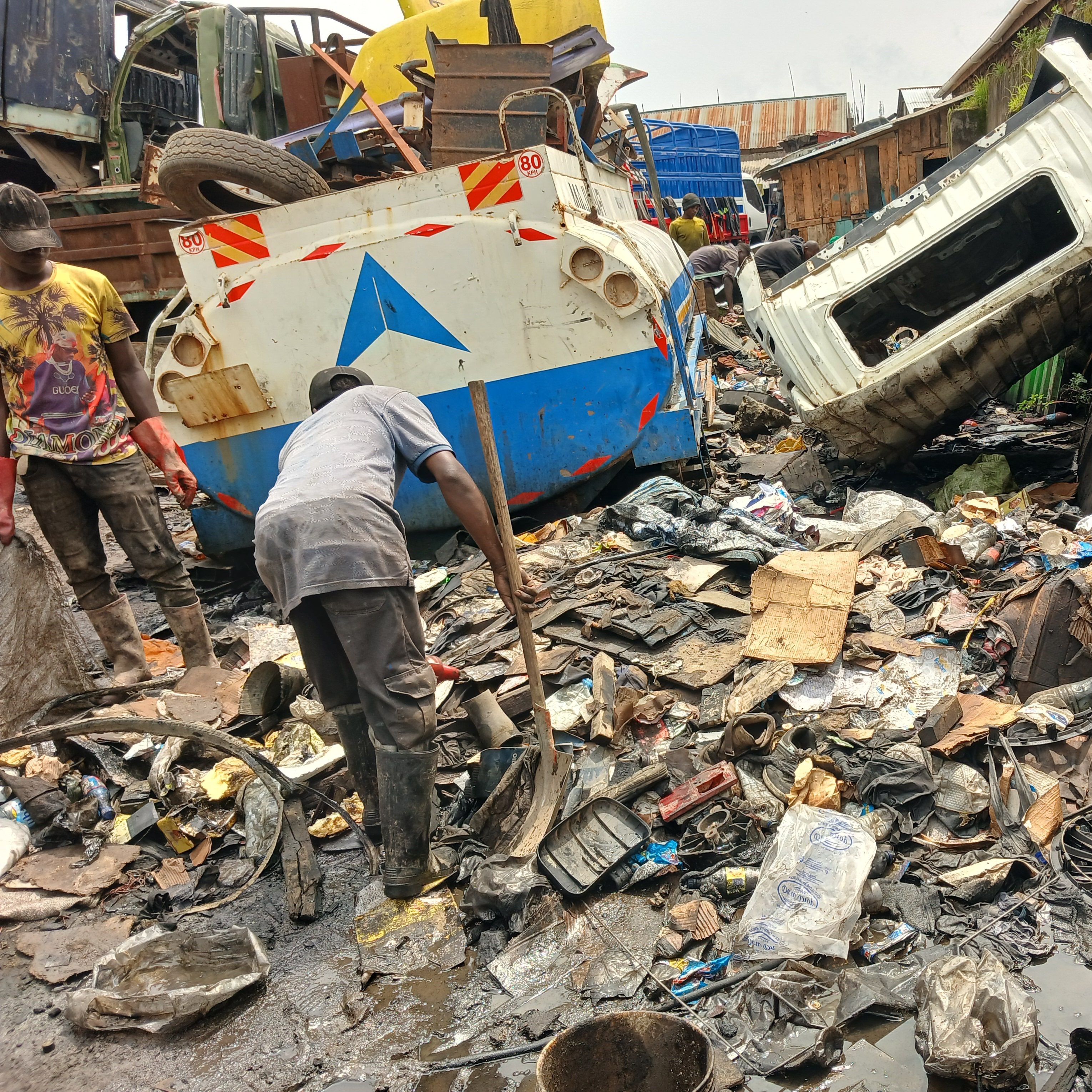
Viwandani-Mwakibete
General cleanless in viwandani area
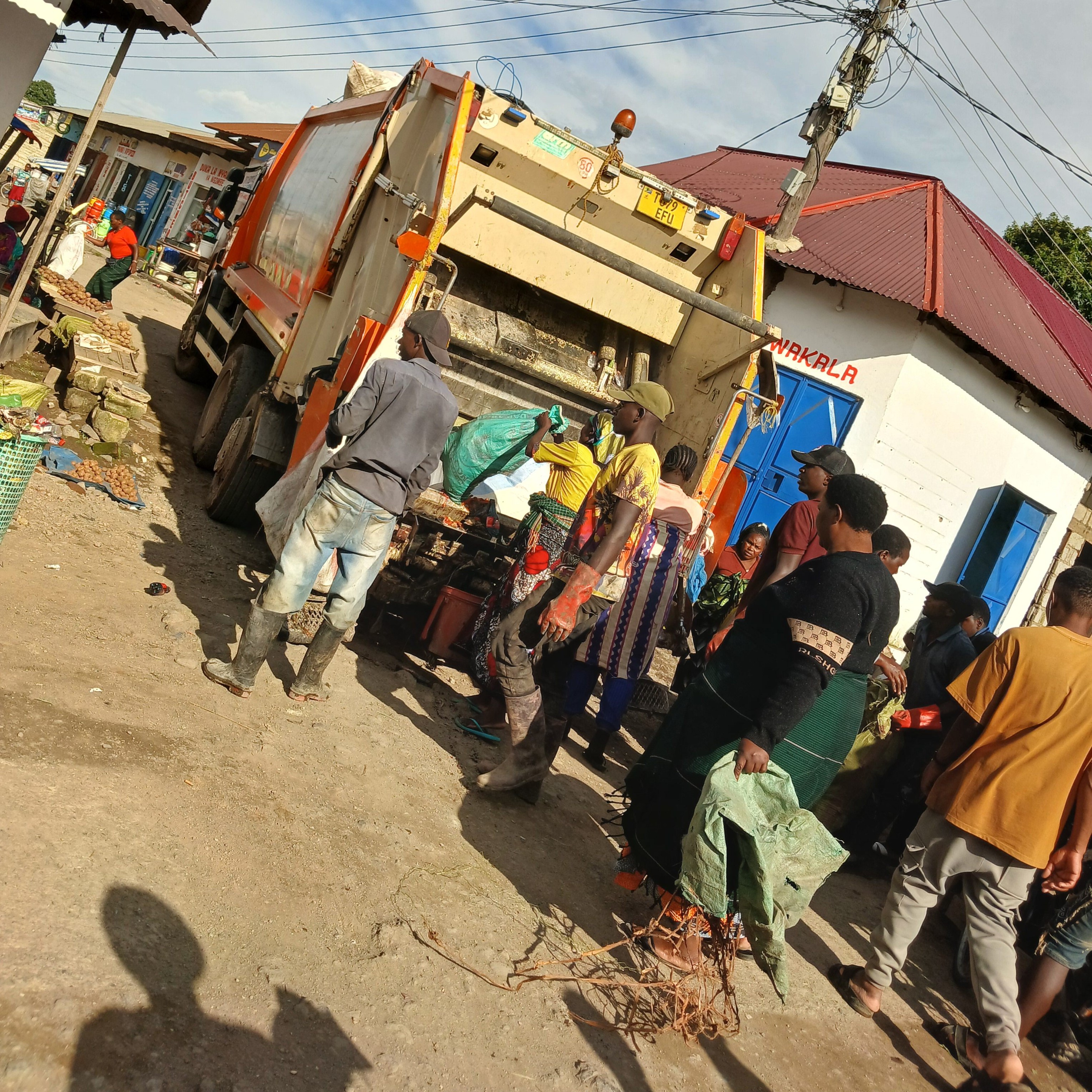
Chem chem
waste collection around chem chem market
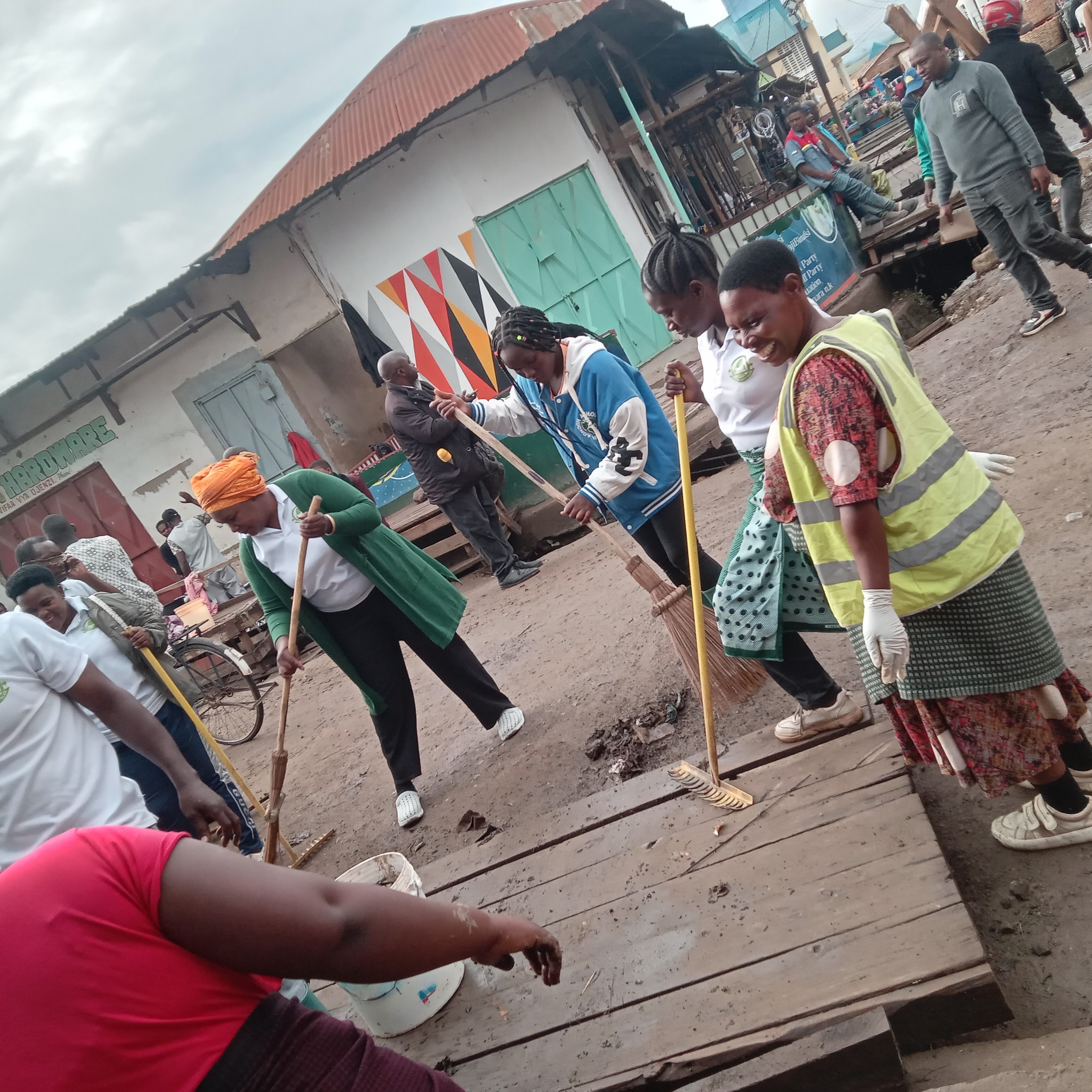
Igawilo
Environment cleaning around igawio sokoni
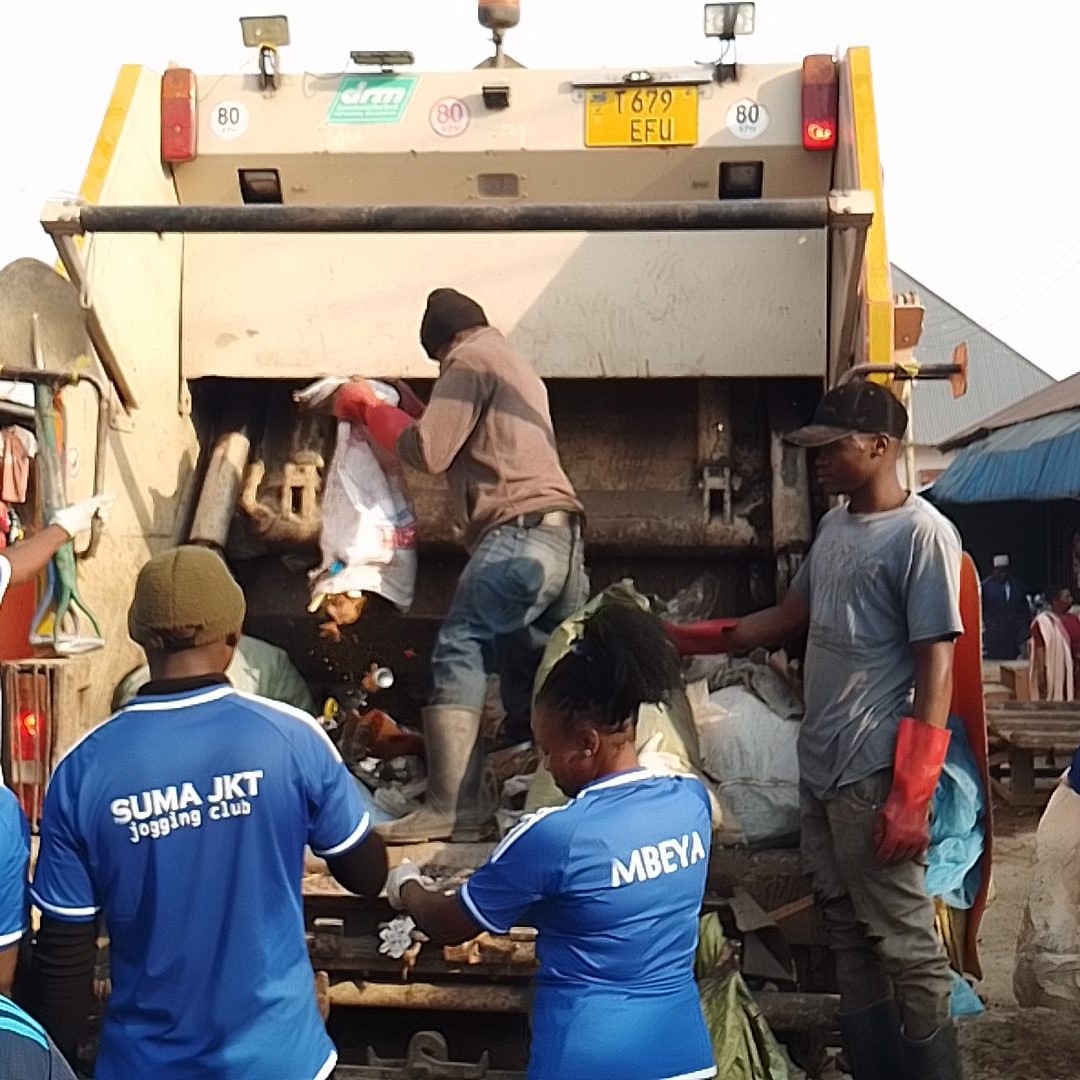
Igawilo
collecting waste around igawilo market
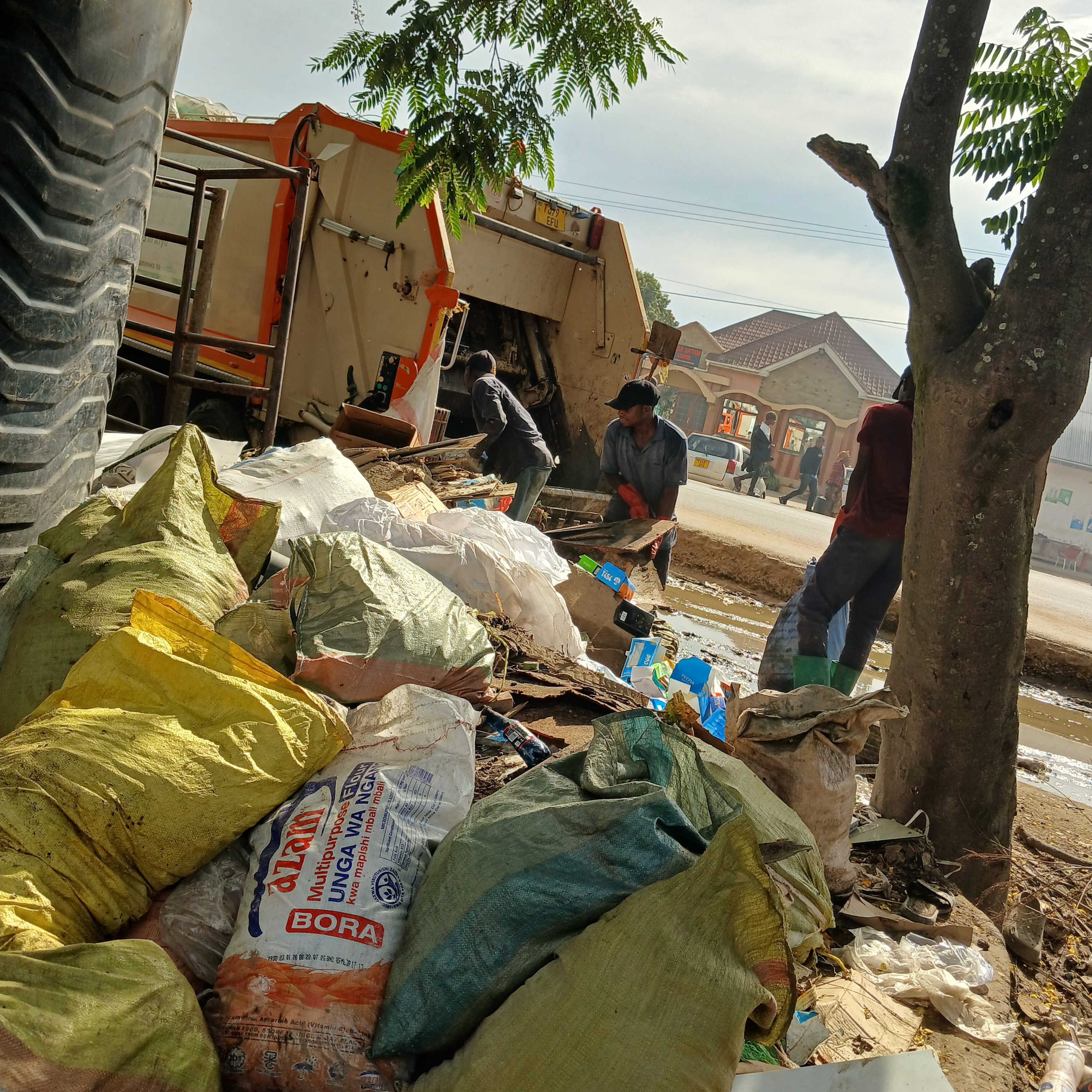
Uyole round about
Taking waste around Tax parking area
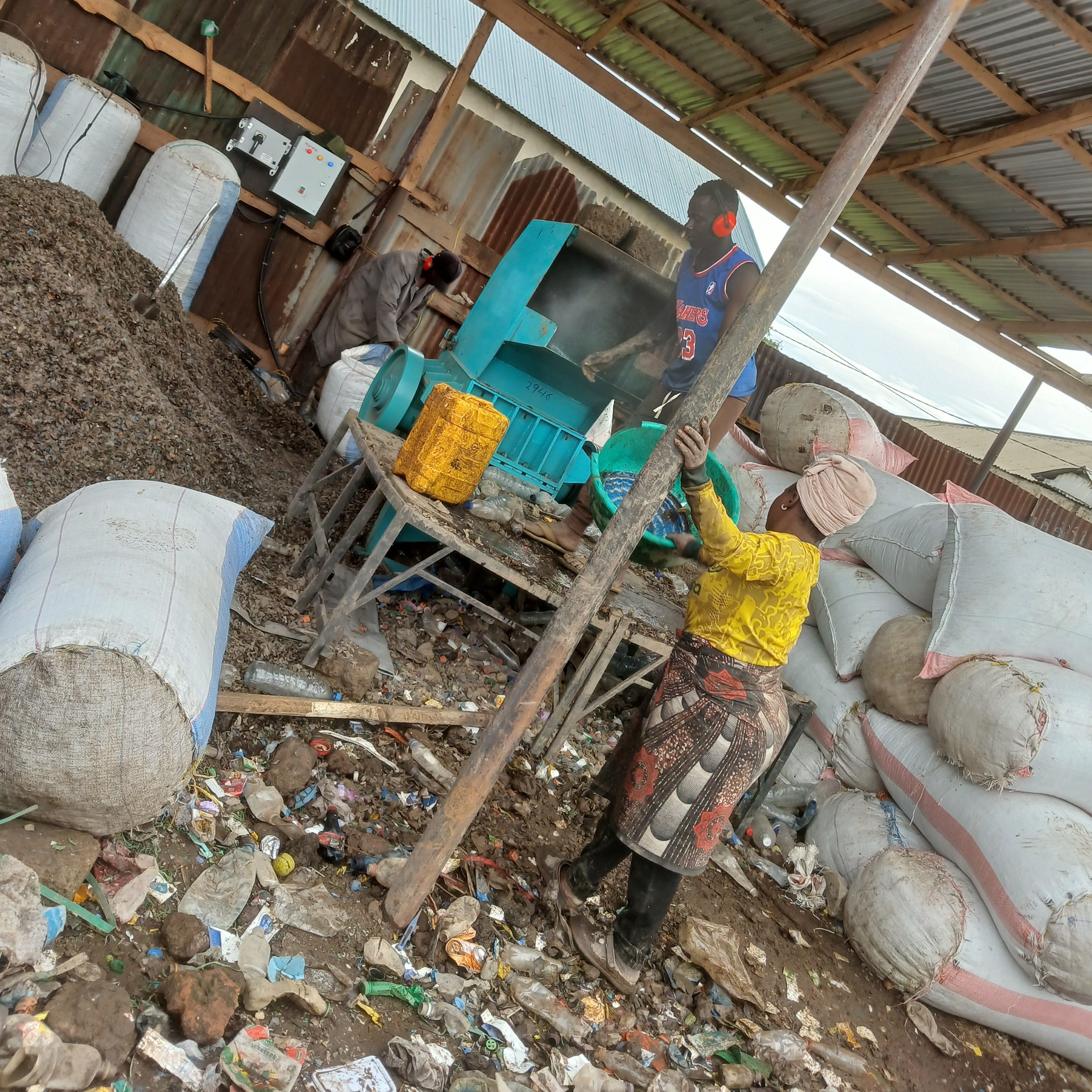
Recycling plant area
bottle Crushing process
Team
OUR TEAM
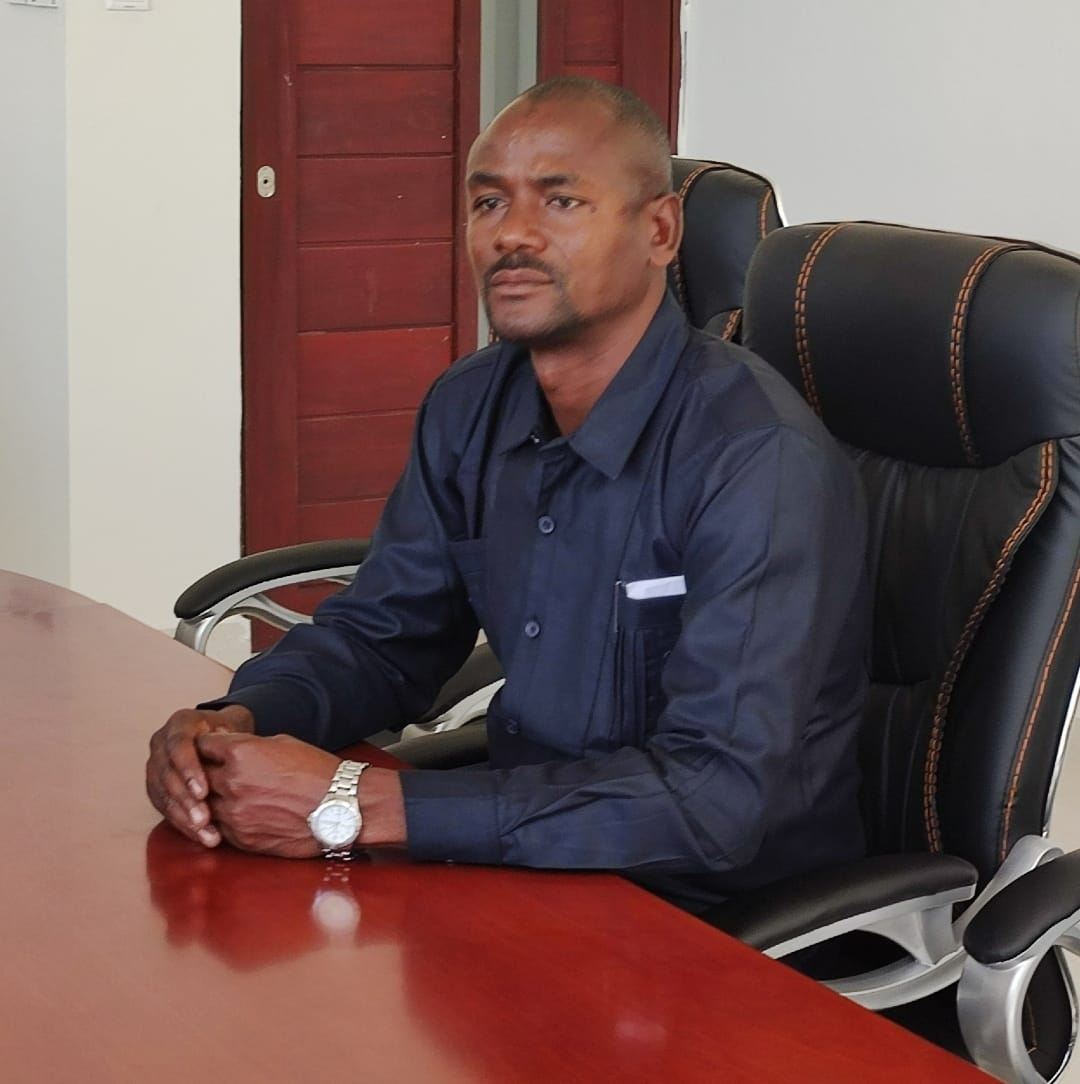
Ibrahim Mwampwani
Chief Executive Officer
John Ibrahim
Production Manager
Waste collector team
TeamContact
WASILIANA NASI KUPITIA
Address
Diwani Rd, Mbeya, Isyesye 53127
Call Us
+255 746 825 389
Email Us
greencitywastesolution@gmail.com